
Cycling Science Digest ·
Effective Training Research
Mastering the Art of Effective Cycling Training
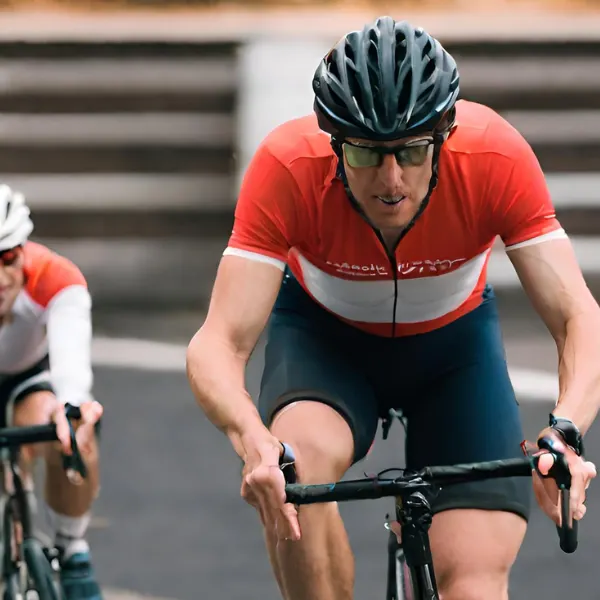
Becoming a skilled cyclist involves more than just logging hours in the saddle. To truly excel, you need to approach your training with intention and strategic planning. By following a few key principles, you can optimise your training sessions and achieve long-term success on the bike.
Key Takeaways for Cyclists:
- Prioritise Learning Over Short-Term Performance
- Focus on skill development rather than immediate results
- Vary your training routines to promote adaptability
- Embrace the process of gradual improvement
- Set specific goals for each workout - Aim for an optimal challenge level—not too easy, not too hard - Evaluate your progress based on how well you execute your training plan
- Simulate race conditions during some of your workouts - Practice handling unexpected challenges and disruptions - Develop mental resilience alongside physical fitness
- Cultivate intrinsic motivation and self-guided learning - Work with coaches who provide guidance without being overly prescriptive - Experiment to find what works best for you as an individual
- Recognise that optimal training strategies may vary from person to person - Be willing to adapt your approach based on your unique needs and preferences - Maintain a positive mindset and enjoy the journey of self-improvement
More found here: https://www.theguardian.com/sc...
On my mind
Are You Stuck in a Rut?
I encourage you to ask yourself, "Does this habit still serve me, or am I blindly following an old routine?" Reflecting on your current cycling practices is crucial for growth and progress.
It's easy to fall into a comfort zone, but challenging yourself with varied workouts, terrains, and incorporating strength training and nutrition is essential. Remember, what worked in the past may not be the most effective approach today.
Don't be afraid to experiment with new methods, equipment, or riding disciplines. Embracing change can prevent burnout and stimulate motivation. However, approach changes with intention and purpose, evaluating the merits of your long-standing routines.
Strike a balance between tried-and-true practices and a willingness to adapt. By regularly assessing your habits and making informed adjustments, you'll continue to grow as a rider and find renewed joy in pursuing your cycling goals.
Damian
Get the Digest free, every Sunday.
One short, useful email a week: the studies, the experiments, and the patterns I’m seeing across 20,000+ training files.