
Cycling Science Digest ·
Expectation vs. Reality on Cycling Performance
Expectation vs. Reality: Sodium Bicarbonate's Effect on Cycling Performance

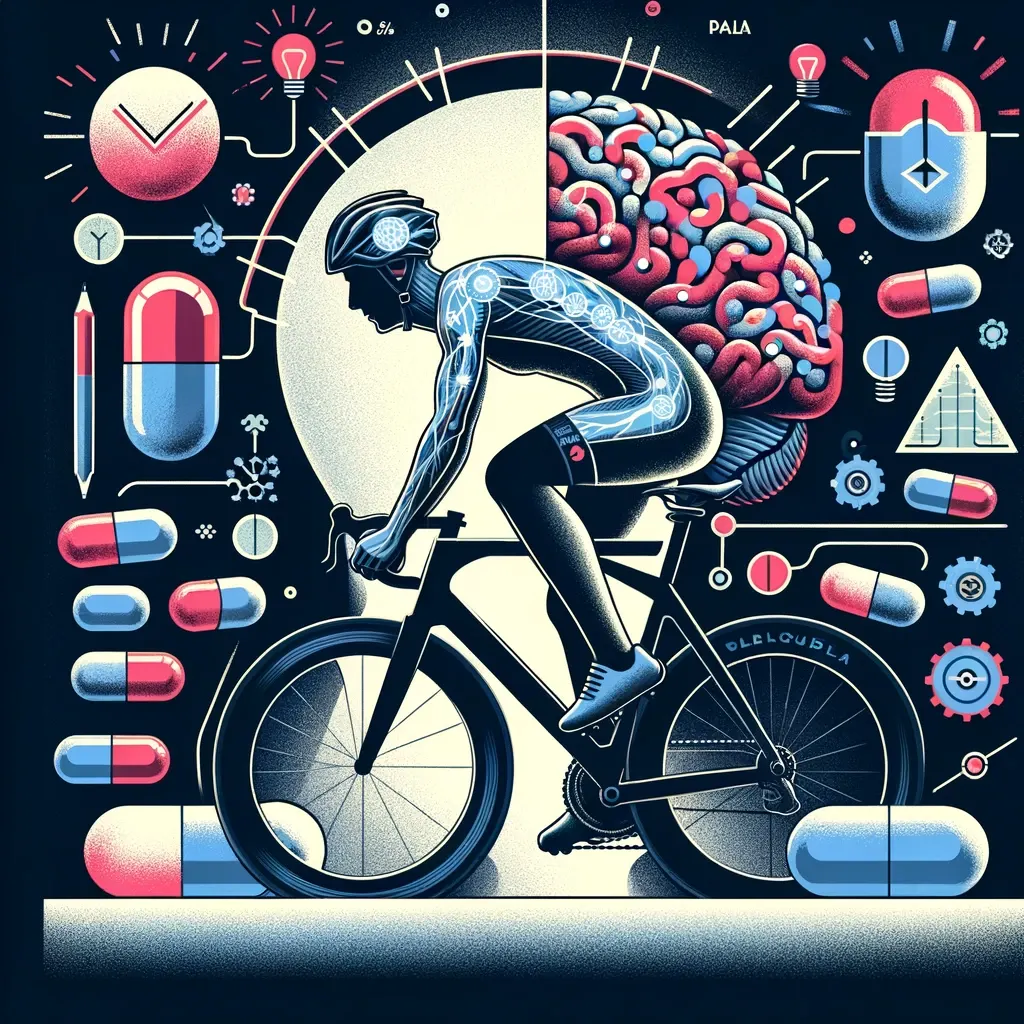
The study, involving fifteen physically active but not highly trained males, explored sodium bicarbonate's impact on cycling performance.
Using a randomised double-blind crossover method, participants ingested sodium bicarbonate or a placebo, receiving varied information about the substance's effects.
Performance was evaluated through cycling trials, with metrics like blood lactate and muscle activity measured. The focus was on understanding both the physiological effects and the psychological influence of belief in the substance's efficacy.
Three key insights for cyclists:
- Psychological Impact is Significant: Cyclists showed improved performance when they thought they were consuming a performance-enhancing substance, regardless of whether it was actual sodium bicarbonate or a placebo. This highlights the substantial influence of psychological factors (like belief or expectation) on physical performance.
- Limited Physical Benefits from Sodium Bicarbonate: Despite causing alkalosis (making the body's pH more alkaline), sodium bicarbonate did not notably enhance cycling performance or reduce muscle fatigue compared to a placebo.
- Placebo Effect in Sports: The study underscores the placebo effect on athletic performance. Cyclists believing in the efficacy of a supplement can experience performance gains, emphasising the interplay between mind and body in sports.
Outside of the insights into how both mental and physical aspects can influence performance, what does this finding mean?
I can't help but use it as another data point for my theory on the importance of 'buy in'. In fact, I've recommended Bicarb to athletes and would not be surprised if they had a similar experience simply because I recommended it as their trusted coach. Especially if it did not make a significant difference because I have had positive self-reported results after taking it.
See the link here for the article.
On my mindAbsence of Evidence
The saying "Absence of evidence is not evidence of absence" is crucial for understanding evidence-informed cycling training.
It means that just because certain training methods haven't been extensively studied doesn't mean they don't work.
There are many areas in cycling training that lack evidence. For example, how individuals respond to training varies, and researchers often overlook this difference.
We also have limited knowledge about how they interact with nutrition, recovery techniques, or personal health conditions.
Training studies often exclude cyclists with specific health conditions. This means that the results of a study may not apply to individuals with unique health profiles.
Coaches and influencers should be aware of this limitation. In my experience, certain training methods may not work as expected due to health conditions.
Coaches and influencers are knowledgeable, but they are not infallible. While evidence is important, it does not cover everything.
Even experienced coaches cannot know everything, as cycling training is complex and constantly evolving with new research.
Coaches must acknowledge uncertainty and remain open to further exploration. However, sometimes extensive research is still insufficient due to the limited amount of existing evidence.
Ridewell!
Damian
Get the Digest free, every Sunday.
One short, useful email a week: the studies, the experiments, and the patterns I’m seeing across 20,000+ training files.