
Cycling Science Digest ·
Glide Through the Pack
Smarter Drafting, Less Effort
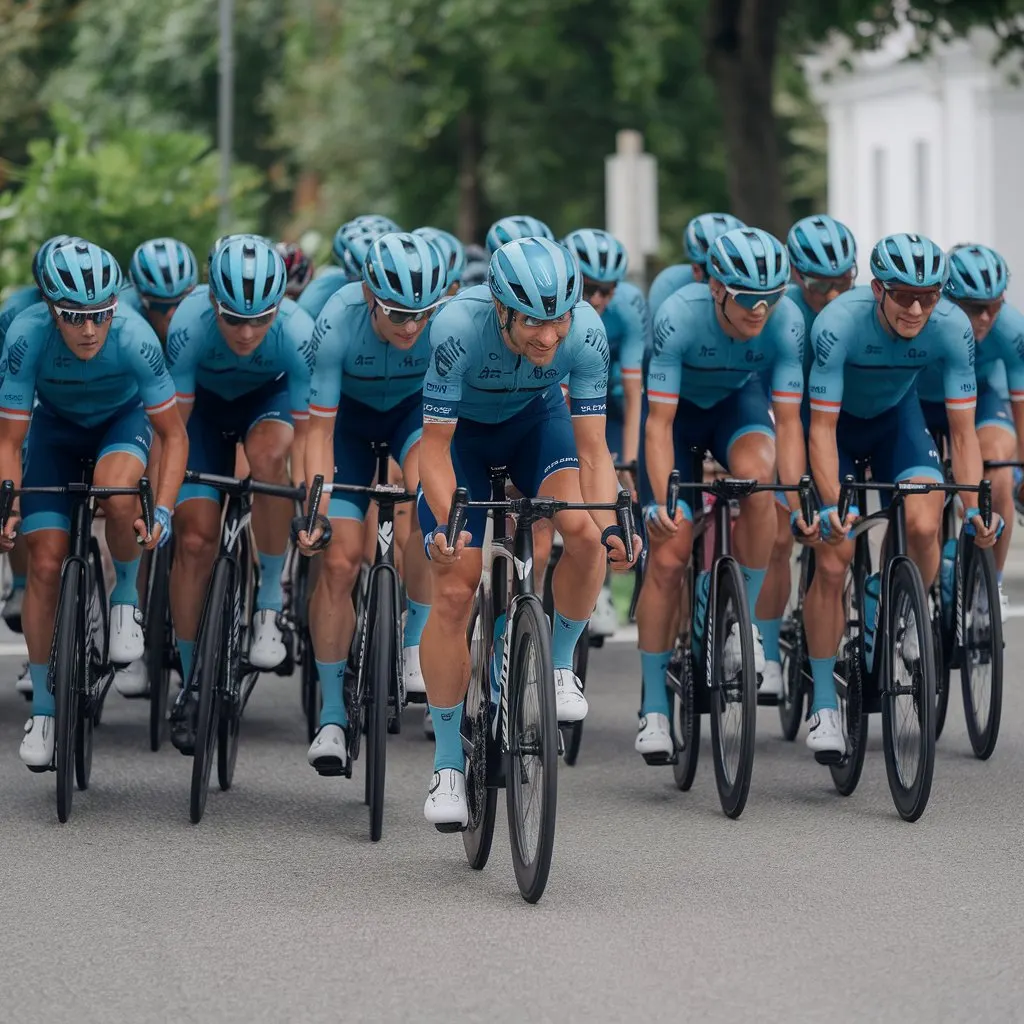
This study analyses how different cycling postures affect aerodynamic drag in single pacelines, using CFD simulations and wind tunnel testing. It quantifies drag reduction at various positions and identifies optimal posture adjustments to maximise energy savings in road racing scenarios.
Key Findings
Drafting is Highly Effective – A paceline of 8 riders reduces drag by up to 68%, with the second-last rider benefiting the most.
Posture Matters for Leaders – A lower torso (DP-low) cuts drag by 13% compared to a higher torso (DP-high), making a big difference for the lead rider.
Rider Position Affects Drag – The best drafting position is second-to-last, while the last rider experiences slightly higher drag.
Longer Pacelines Improve Efficiency – A 6-8 rider paceline provides the best drag reduction, making it twice as energy-efficient as riding solo.
Paceline Strategy Can Reduce Leader’s Effort – If trailing riders adopt a slightly higher posture (DP-high), they reduce the leader’s drag, improving overall efficiency.
Practical Application for Cyclists
- In breakaways and sprint trains, leaders should adopt a lower torso (DP-low) for max efficiency, while teammates behind can slightly adjust posture to help reduce drag for the front rider.
- Maintain a tight formation (~15 cm wheel gap) to maximise drafting benefits.
- If you’re deep in the paceline, prioritise comfort over extreme aerodynamics, as posture effects diminish further back.
Read study here: https://www.sciencedirect.com/...
On my mindThe Secret to Staying Sharp
John Gardner once gave a speech to McKinsey & Co. about personal renewal. He said staying relevant and effective isn’t about ambition, because ambition eventually fades. It’s about curiosity. Most people are staler than they realise, trapped in fixed attitudes and habits. The solution is to stay interested and keep discovering new things.
This applies to cycling as much as anything else. Some riders train the same way year after year, convinced their method is best. Their progress stalls. Others stay curious, experimenting with pacing, fuelling, and training. They keep improving.
If you want to keep getting better, you have to stay open. Test, refine, and adapt. Sustainable progress comes from curiosity, not just effort.
What’s one thing you could change or explore this week?
Damian
Get the Digest free, every Sunday.
One short, useful email a week: the studies, the experiments, and the patterns I’m seeing across 20,000+ training files.