
Cycling Science Digest ·
High cadence feels easier. It isn’t.
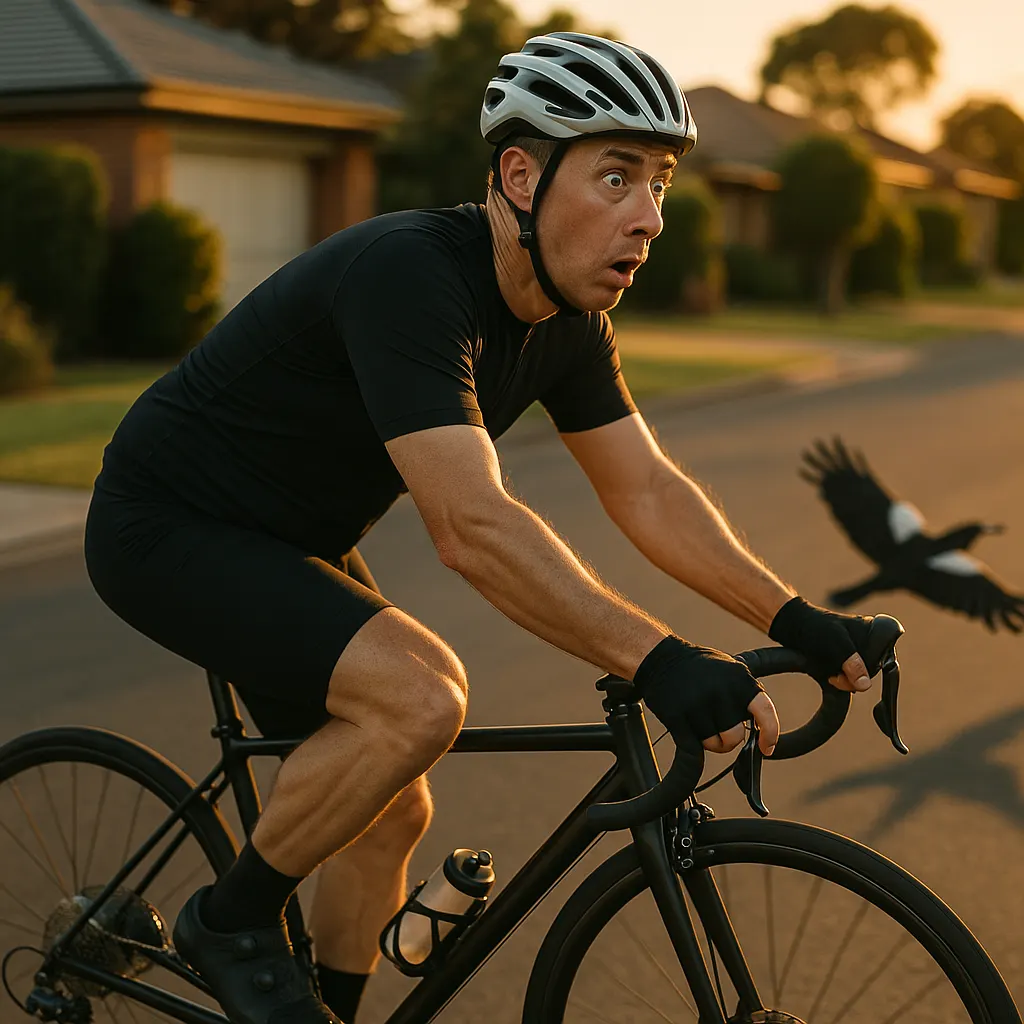
We’re told to “spin to save the legs.” A classic biomechanical modelling study tested that idea by changing the muscle fibre mix in a rider’s legs and sweeping cadence from 40 to 120 rpm at a steady 200 W. It compared a fast-twitch-biased model to a slow-twitch-biased one.
What it found is simple and useful. Whole-body energy cost was lowest at 64 rpm in the fast-twitch model and 55 rpm in the slow-twitch model. In other words, economy lived down in the mid range.
Zoom in on the muscles and you see why high cadence rarely “saves” anything. Leg-muscle mechanical efficiency peaked higher than those whole-body minima, at ~84 rpm for the fast-twitch model and ~72 rpm for the slow-twitch model. The most economical cadence sat ~17–20 rpm lower than the muscle-efficiency peak. That gap explains why many riders prefer mid-high 70s to 90s for feel, yet still burn fewer total kilojoules a little lower.
Range matters more than a magic number. Efficiency was poor at 40 rpm, formed a broad plateau from ~60 to 100 rpm, then worsened again by 120 rpm. That lines up with the lived experience that extreme cadences carry penalties, especially when you sit there for long periods.
How to apply it
- Anchor your endurance work in the mid range. Do most steady riding between 60–90 rpm, then nudge up or down based on feel, terrain, and power. This is where you tend to minimise total cost for a given output.
- Use high cadence with purpose. Short neuromuscular drills, surges, and race-specific moments are fine. Treat 110–120 rpm as a tool, not a default, since total energy cost and inefficiency rise there.
- Test your own economical band. On fresh legs, ride 3×8–10 min at the same power, randomising 65, 75, 85 rpm. Track HR drift, breathing, and RPE. The best “economy” usually shows as lower HR and calmer breathing for the same power, plus smoother torque. Repeat a few times to confirm.
- Train durability at moderate cadence. Include long tempo or sweet spot with 70–85 rpm to build torque tolerance under fatigue, then layer in short high-rpm efforts for leg speed when relevant to your events.
- Remember context. This was a well-built model at 200 W. Your physiology, absolute power, and event demands still matter. Use the findings to set your default, then personalise.
Bottom line: the mid range is where you save energy. Very high cadence is not a free cardiovascular hack. Use it when the race demands it, not to “rest the legs.”
Reference
Umberger BR, Gerritsen KGM, Martin PE. Muscle fibre type effects on energetically optimal cadences in cycling. J Biomech. 2006;39(8):1472-1479.
On my mindEnjoy The Work
As a coach, I’ve noticed a quiet shift in how goals work. The athletes who last are not obsessed with finish lines. They enjoy the work that points toward them. Not a flip of a switch. A slow drift. More curiosity. Small tweaks. Repeatable days.
Results still matter. They just stop driving the bus. The real focus is becoming the kind of person who likes the process. When you enjoy it, you keep showing up. Time does the rest.
Damian
Get the Digest free, every Sunday.
One short, useful email a week: the studies, the experiments, and the patterns I’m seeing across 20,000+ training files.