
Cycling Science Digest ·
Optimise Fibre Intake for Better Cycling Performance
Fibre for Cyclists: Practical Training & Racing Recommendations
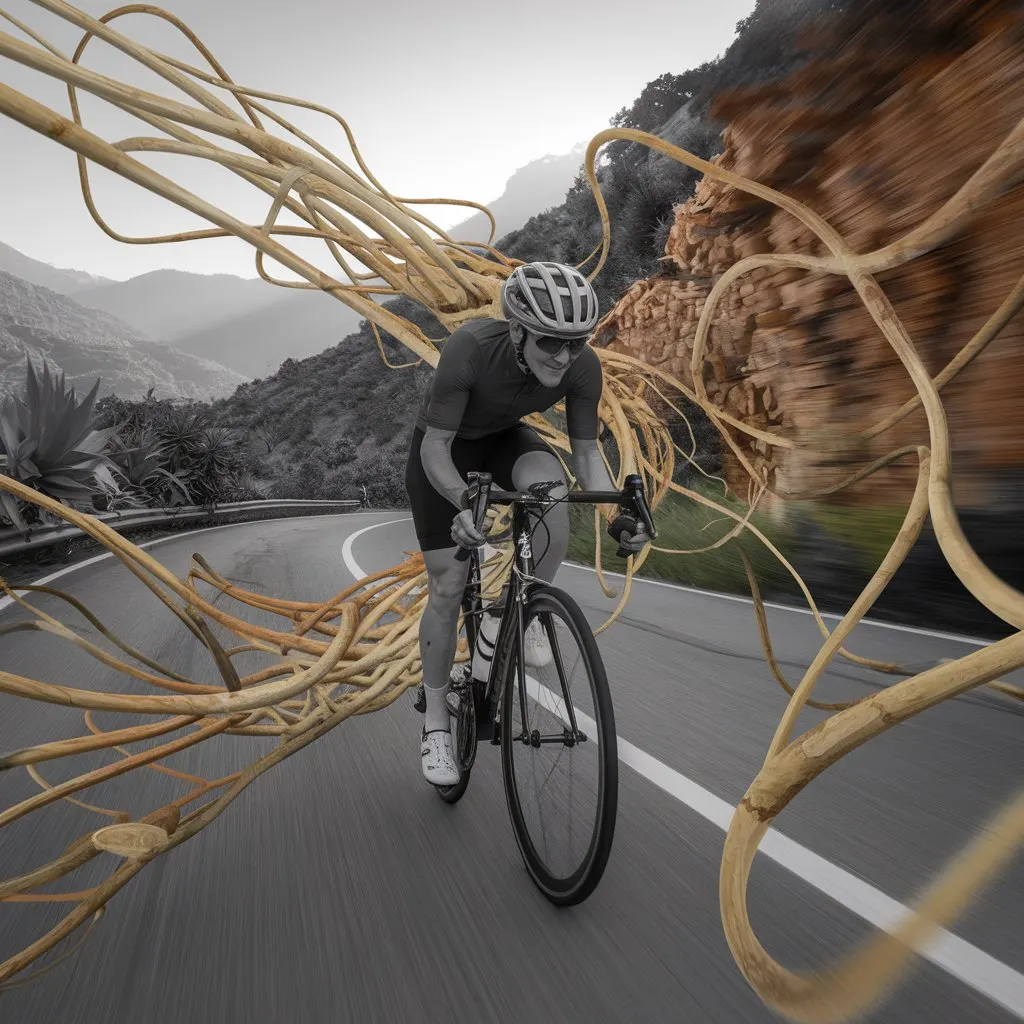
Fibre is often overlooked in sports nutrition, yet it plays a key role in gut health, microbiome diversity, and overall performance. Cyclists should adjust their fibre intake strategically based on training and racing demands.
Daily Fibre for Gut Health & Performance
- Aim for 20–30g of fibre per day, including 2g of beta-glucan (from oats or barley).
- Gradually increase fibre intake over six weeks to support gut microbiome stability, intestinal function, and recovery.
- A balanced intake of soluble and insoluble fibre promotes gut health without causing digestive discomfort.
Fibre and Cycling Performance
Pre-Training and Racing (24–48 Hours Before)
- Reduce fibre to prevent bloating and gut issues.
- Focus on low-fibre carbohydrates such as white rice, white bread, peeled fruit, and sports drinks.
- Avoid high-fibre foods such as beans, lentils, whole grains, and raw vegetables.
During Training and Racing
- Prioritise fast-digesting, low-fibre carbohydrates such as gels, sports drinks, and white rice.
- Avoid high-fibre foods that slow digestion.
- Stay hydrated to support digestion and energy absorption.
Post-Training and Recovery
- Reintroduce fibre gradually to aid digestion and recovery.
- Include beta-glucan-rich foods such as oats and barley to support gut health and immunity.
- Choose whole grains, legumes, and vegetables to restore fibre intake.
Daily Nutrition for Cyclists
High-Intensity Training Days
- Breakfast: Low-fibre carbohydrates such as white toast, rice, banana, and juice.
- Lunch: Low-fibre protein sources such as chicken, fish, or eggs with white rice or pasta.
- Dinner: Lean protein with moderate-fibre carbohydrates such as cooked vegetables and sweet potatoes.
- Snacks: Low-fibre options such as yoghurt, energy bars, and fruit without skin.
Rest Days and Recovery Phases
- Increase fibre intake for gut health.
- Incorporate whole grains, legumes, vegetables, and nuts.
- Fermentable fibres such as oats, barley, and beans support gut bacteria.
Key Takeaways
- Reduce fibre before racing to prevent gut distress.
- Use low-fibre carbohydrates during races for fast digestion and energy.
- Reintroduce fibre post-race to support gut health and recovery.
- Maintain at least 20–30g of daily fibre for long-term performance and well-being.
Fibre intake should be individualised based on training loads, gut tolerance, and race schedules. Strategic fibre management helps optimise digestion, fuel absorption, and recovery for better performance on the bike.
Read more here: https://link.springer.com/arti...
On my mind
Ego, again.
Some coaches make their athletes train in rigid, hierarchical structures—big plans, big teams, a top-down approach. But I’ve found that real progress often comes from the conversations happening at the edge of the bunch, the insights from the riders still figuring things out. The best coaches and mentors don’t position themselves at the head of the table; they ride next to you, listening, adapting, making sure they don’t miss what really matters.
At the other extreme, the cycling world—like much of the world—is full of big institutions, federations, and teams that seem to exist more for prestige than for progress. Money pours in, good people work there… but results? Not always.
So before committing to a new plan, race, or goal, it’s worth asking: Am I actually building something meaningful here? Or am I just adding another monument to someone’s ego—maybe even my own?
Damian
Get the Digest free, every Sunday.
One short, useful email a week: the studies, the experiments, and the patterns I’m seeing across 20,000+ training files.