
Cycling Science Digest ·
Don't delay eating carbs after riding...
Carb Timing Matters
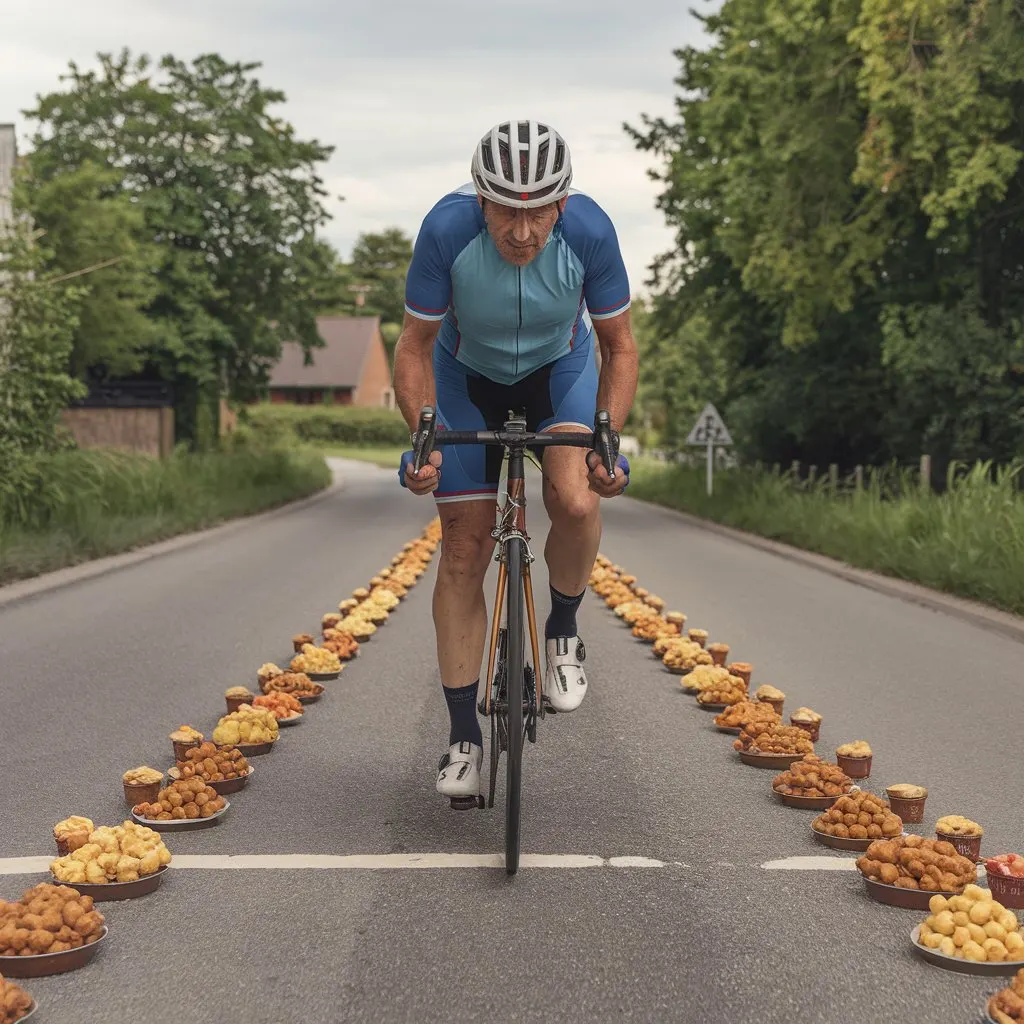
A recent study confirms the importance of immediate carbohydrate intake after intense exercise, but with a new twist on what was previously understood. Here's a breakdown of the findings and how they shift the current understanding:
Study Overview
Nine active men performed high-intensity interval cycling, followed by either:
- Immediate carbohydrate intake (2.4 g/kg)
- Delayed carbohydrate intake (+3 hours)
Both groups consumed the same total daily carbs (7 g/kg) and underwent testing 24 hours later with another high-intensity session. Muscle samples and various markers were measured before, during, and after exercise.
Key Findings
- Muscle Glycogen: Despite delayed refueling, muscle glycogen levels returned to baseline within 24 hours for both groups. This shows that glycogen replenishment isn’t impaired by a delay in carb intake.
- Molecular Responses: Exercise-induced signaling proteins and genes like PGC-1ɑ and p53 responded similarly in both immediate and delayed intake groups. This challenges the idea that timing of carbs plays a major role in molecular adaptations post-exercise.
- Exercise Capacity: Despite similar glycogen and molecular responses, the delayed carb group performed fewer intervals in the subsequent exercise test and rated their perceived exertion higher. This is a key shift, as it highlights that exercise capacity, rather than glycogen or molecular responses, is the limiting factor when refueling is delayed.
Note: Previously, it was assumed that glycogen resynthesis was the main factor impacting next-day performance. However, this study shows that exercise capacity can be impaired even with normal glycogen levels if carbohydrates are delayed. It challenges the idea that refueling strictly affects muscle glycogen, introducing the possibility that other mechanisms (e.g., central fatigue or metabolic factors) might be responsible for reduced next-day performance.
Takeaway for Cyclists
For those training or racing with less than 24 hours between sessions, immediate carbohydrate intake is critical. Delaying carbs may not impact glycogen recovery, but it will reduce your ability to perform at a high level the next day, even if you feel physically recovered.
See study here: https://pubmed.ncbi.nlm.nih.go...
On my mind
What Three Workouts?
What if you could only do three types of workouts to get fit or stay fit? It's a good thought experiment to strip away all the complicated training. If I allow progression, so you can go longer or add more intervals, here are the rides that I would keep.
- Endurance rides at lower intensites.
2. Over Unders at different intensities.
- Short steady state intervals.
What are your three types of workouts?
Ridewell,
Damian
When you're ready to work with me check out my cycling coaching: semiprocycling.com/coaching
Get the Digest free, every Sunday.
One short, useful email a week: the studies, the experiments, and the patterns I’m seeing across 20,000+ training files.