
Cycling Science Digest ·
PSA: Questioning the Latest Aging Research—Are the Findings Really Solid?
PSA: Questioning the Latest Aging Research—Are the Findings Really Solid?
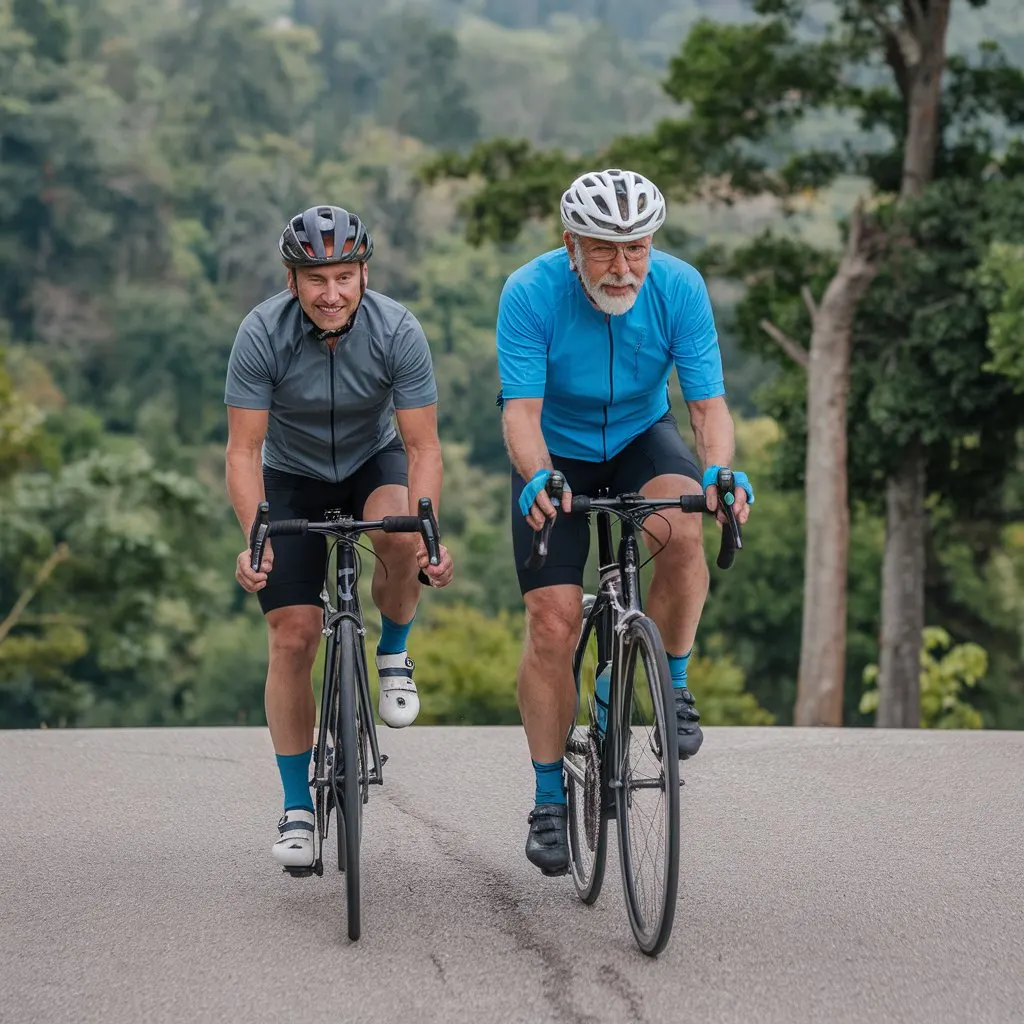
You might have seen a recent study claiming that people around age 44 and over 60 experience major biological shifts, which may explain why diseases like heart disease and diabetes spike at these ages. The paper suggests changes in:
- Metabolites (small molecules in the body)
- Cytokines (immune system proteins)
- Oral microbiome (bacteria in your mouth)
These changes supposedly occur in waves, peaking around your mid-40s and early 60s.
But here's the catch: Lior Pachter, a well-respected scientist, raised serious concerns:
- Outdated methods – The researchers used an old RNA analysis tool (Tophat), even though better tools are available, which may affect the accuracy of the results.
- Missing data – Key data files were unavailable, making it hard to verify the study’s conclusions.
So, while the study offers interesting ideas, the outdated methods and data gaps mean we should be cautious. The results might not be as strong as they seem at first glance.
Study: https://www.nature.com/article...
Lior Pachter thread: https://x.com/lpachter/status/...
On my mindSeeing the Road Ahead: How Perception Shapes Performance
Cycling is a test of both body and mind. But what if the way we perceive the challenges we face is just as important as our physical abilities?
Research shows that our perception of obstacles—whether it's a steep hill or a hard interval—depends on what we believe we can do in the moment. If you're fit, rested, and confident, a hill might seem manageable. But if you're fatigued or doubting yourself, the same hill can look like a mountain.
This insight is crucial for training and racing. The challenges we face don't change, but how we see them does. That’s why it's important to build not only physical strength but mental resilience. If you're weighed down—whether it’s by fatigue, stress, or even life’s 'backpacks'—your perception of difficulty increases. Likewise, confidence and preparedness lighten the load.
Next time you're struggling with a workout, remember: your perception is shaped by your current capabilities. By consistently working on your fitness and mindset, those hills—both literal and metaphorical—will start to look less steep.
Damian
Get the Digest free, every Sunday.
One short, useful email a week: the studies, the experiments, and the patterns I’m seeing across 20,000+ training files.