
Cycling Science Digest ·
Is this missing from your training?
New Low Cadence Study
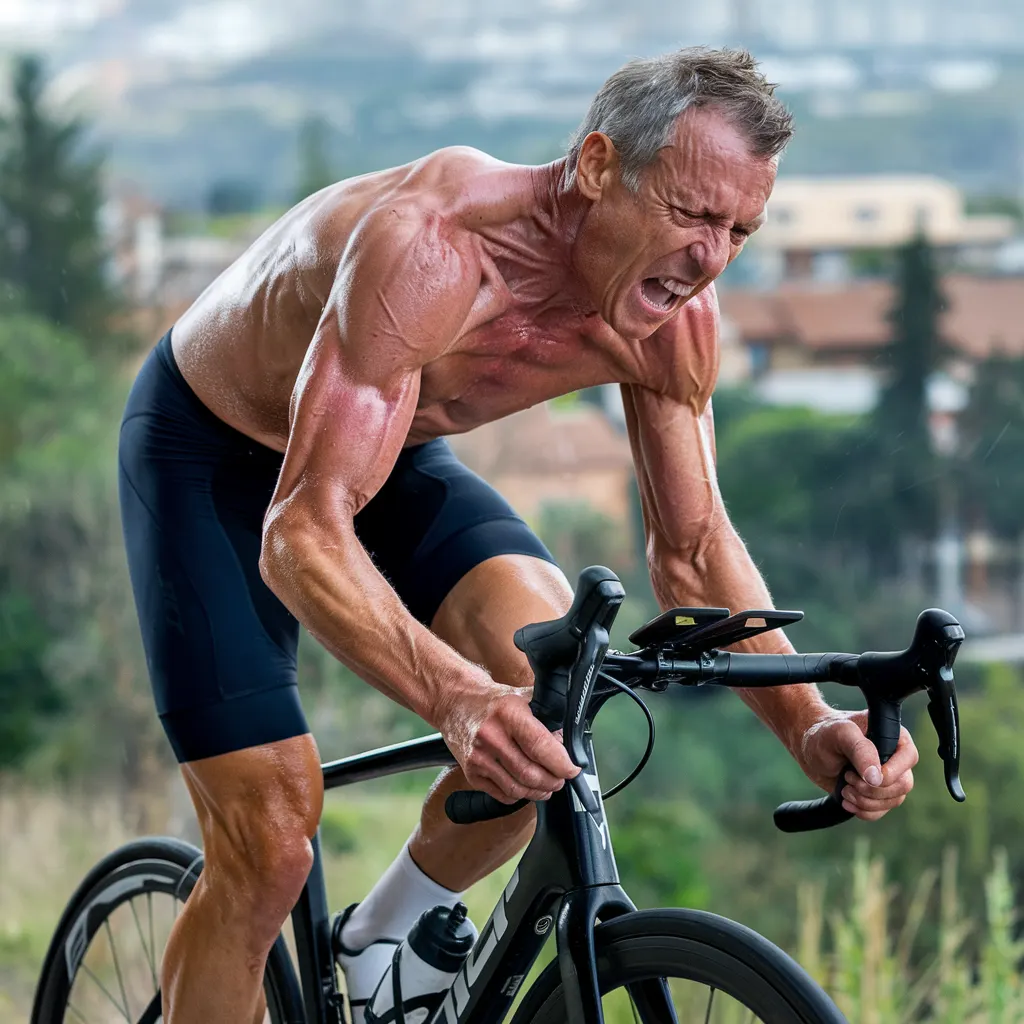
Low-cadence cycling is making a comeback (although it never went away).
A recent study tested two groups of well-trained female cyclists over an 8-week program: one using low cadence (50–70 RPM) and the other using a preferred cadence (80+ RPM) during high-intensity sessions.
The low-cadence group saw significantly greater improvements in VO2 max (+8.7% vs. +4.6%) and maximal aerobic power (+8.1% vs. +3.0%).
How the Training Worked:
- Sprint Intervals (SIT): - 8–12 sprints of 30 seconds at maximum effort, with 90 seconds of rest between sprints and 25 minutes between sets. - Low-cadence group: 50–60 RPM; preferred-cadence group: >80 RPM.
- High-Intensity Intervals (HIIT): - 4–6 intervals of 4 minutes at 90–100% max aerobic power, with 8 minutes of rest. - Low-cadence group: 60–70 RPM; preferred-cadence group: >80 RPM.
- Low-Intensity Training (LIT): - 150–180 minutes at moderate intensity, with unrestricted cadence.
- Active Recovery Days: - 60–80 minutes of very low intensity, with unrestricted cadence.
Takeaways for Cyclists:
- Performance Gains: Low-cadence intervals improve aerobic capacity and power, likely by increasing muscular demand and neuromuscular activation.
- Practical Use: Use low-cadence efforts on hills or in big gears to complement your regular training.
- Balanced Approach: Combine low- and high-cadence intervals for well-rounded development.
While the study offers intriguing insights, its small sample size, short duration, and focus on young female cyclists mean we should be cautious about generalising. Larger studies are needed to confirm these findings. However, this research highlights how targeted low-cadence intervals can be valuable.
Read the study here: https://journals.plos.org/plos...
Join TEAM SEMIPRO for $32 every 4 weeks
Gain access to 53 training plans, 307 structured workouts, TrainingPeaks Premium, and a one-time coach consultation to make every session count.
On my mindFind Your Own Path in Cycling
It’s easy to follow the crowd—training trends, new gadgets, or the latest advice. But real progress comes from questioning what works for you.
- Tailor your training to your goals and strengths.
- Experiment with new techniques or ideas.
- Focus on more than just numbers—strategy, fueling, and joy matter too.
- Be critical of trends; not everything will serve you.
- Seek fresh perspectives from outside your circle.
The best results come from curiosity and exploration. Make your journey yours.
Damian
Get the Digest free, every Sunday.
One short, useful email a week: the studies, the experiments, and the patterns I’m seeing across 20,000+ training files.