Evidence

Real rider examples, with the context left in.

Numbers matter, but so does the rider behind them. These are the stories, source videos, training patterns, and outcomes that show how SEMIPRO thinks about progress.

Video thumbnail for What 8 Hours a Week Can Do (+21% in 12 Weeks).
Source video included

Guided Coaching

Source video

Tom: 47W FTP gain in 12 weeks

52-year-old gravel racer, 25 years cycling, 7-8 hours per week

+47W FTP in 12 weeks and a 20-minute PR at The Gralloch

Tom is the clearest example of the SEMIPRO durability argument: the fitness was not absent, but the training needed better structure, recovery, and intent.

Read the breakdown
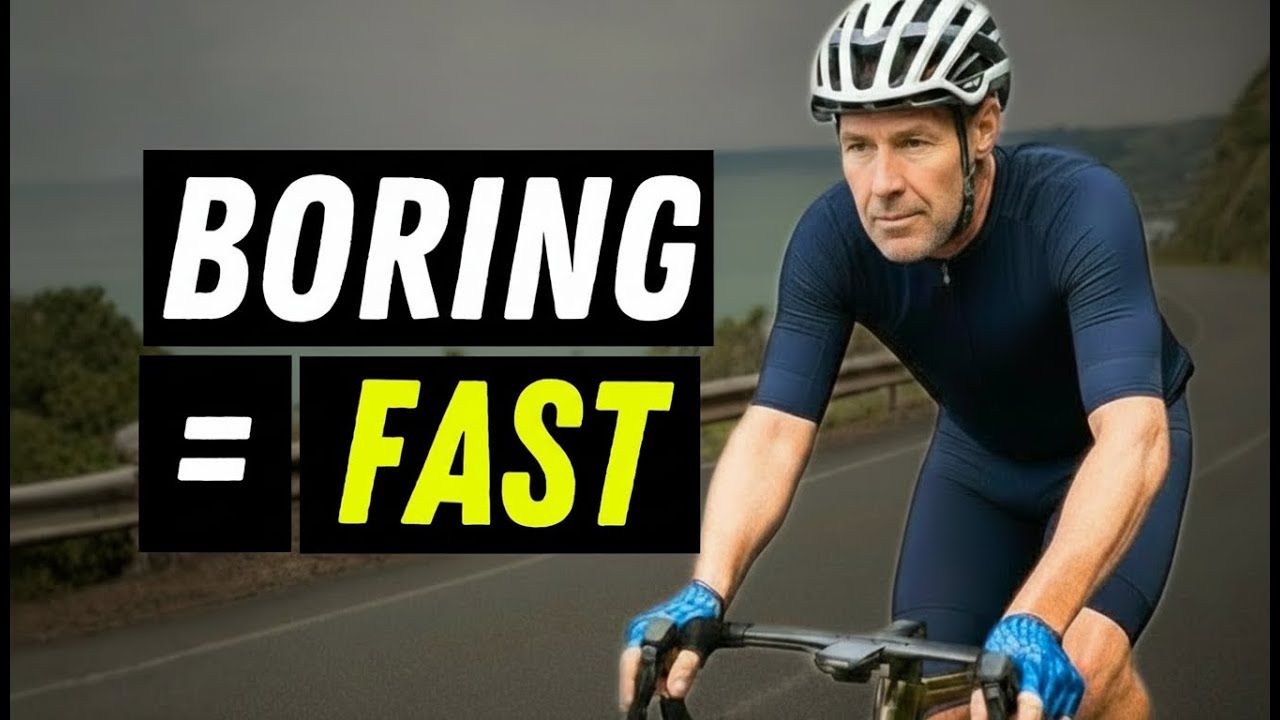
Video thumbnail for The Boring Truth About Why Zone 2 Actually Works.
Source video included

SEMIPRO methodology

Source video

The boring truth about why Zone 2 works

Education-led source video on aerobic training and why easy work matters

Explains the physiology behind Zone 2 without turning it into training religion

This is a methodology source rather than a single athlete result. It supports SEMIPRO positioning around aerobic base, durability, and training that earns its place.

Read the breakdown
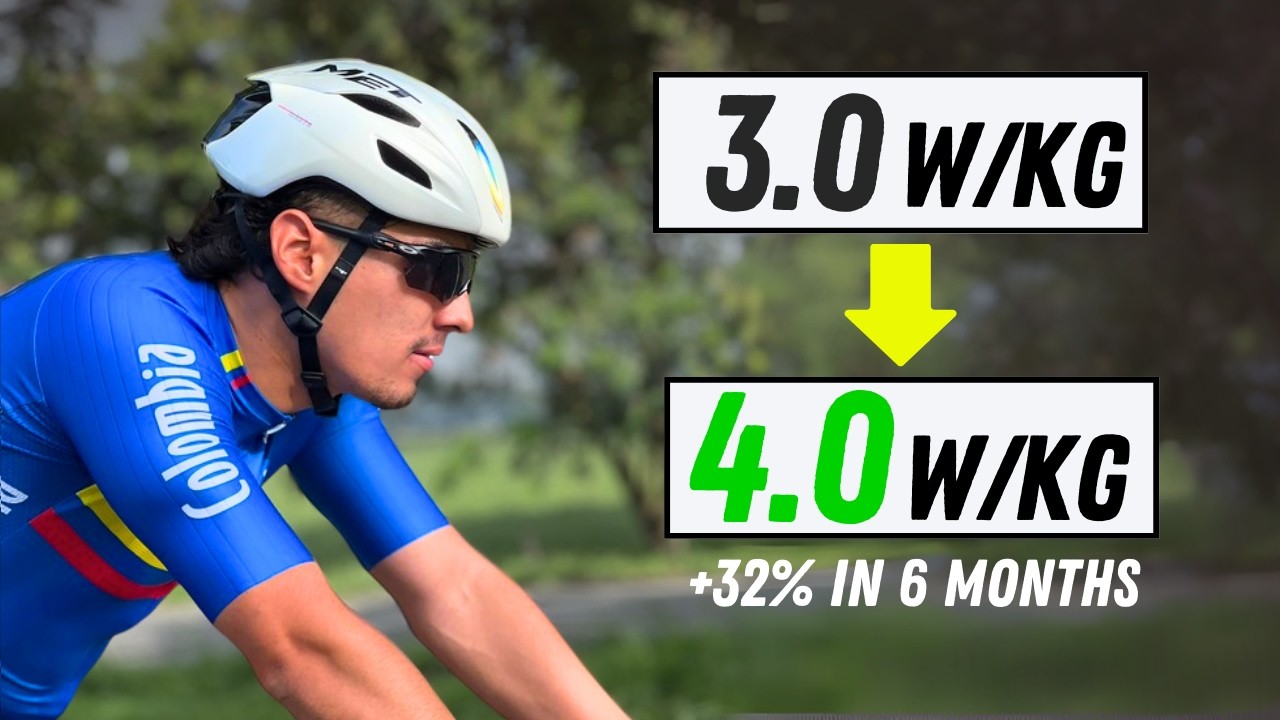
Video thumbnail for How This Cyclist Lost 4kg AND Gained 55 Watts in 6 Months (Full Breakdown).
Source video included

Coaching case study

Source video

Juan: 4kg lost and 55W gained in 6 months

Busy cyclist who wanted structure, guidance, and training that fit his goals and lifestyle

Lost 4kg and gained 55W in 6 months

Juan shows the broader SEMIPRO performance picture: structured training, nutrition changes, better durability, and a return of confidence and enjoyment on the bike.

Read the breakdown
Video thumbnail for How This Cyclist Cut 24 Minutes Off His Favourite Gran Fondo.
Source video included

Coaching case study

Source video

Jasper: 24 minutes faster at a favourite gran fondo

Cyclist in his 50s preparing for the Giro di San Diego after starting riding later in life

Cut 24 minutes from a favourite gran fondo

Jasper supports the event-specific side of SEMIPRO: the value is not just better test numbers, but being more durable when race day gets messy.

Read the breakdown
Video thumbnail for How This Training Plan Doubled Endurance Power in 21 Weeks.
Source video included

Team SEMIPRO case study

Source video

John: endurance power doubled across the season

Everyday cyclist, new father, full-time worker, and road/gravel racer moving from self-coaching to a structured system

Doubled endurance power in 21 weeks

John shows why structure matters for busy riders: the goal was not more random training, but making each session count toward road and gravel performance.

Read the breakdown
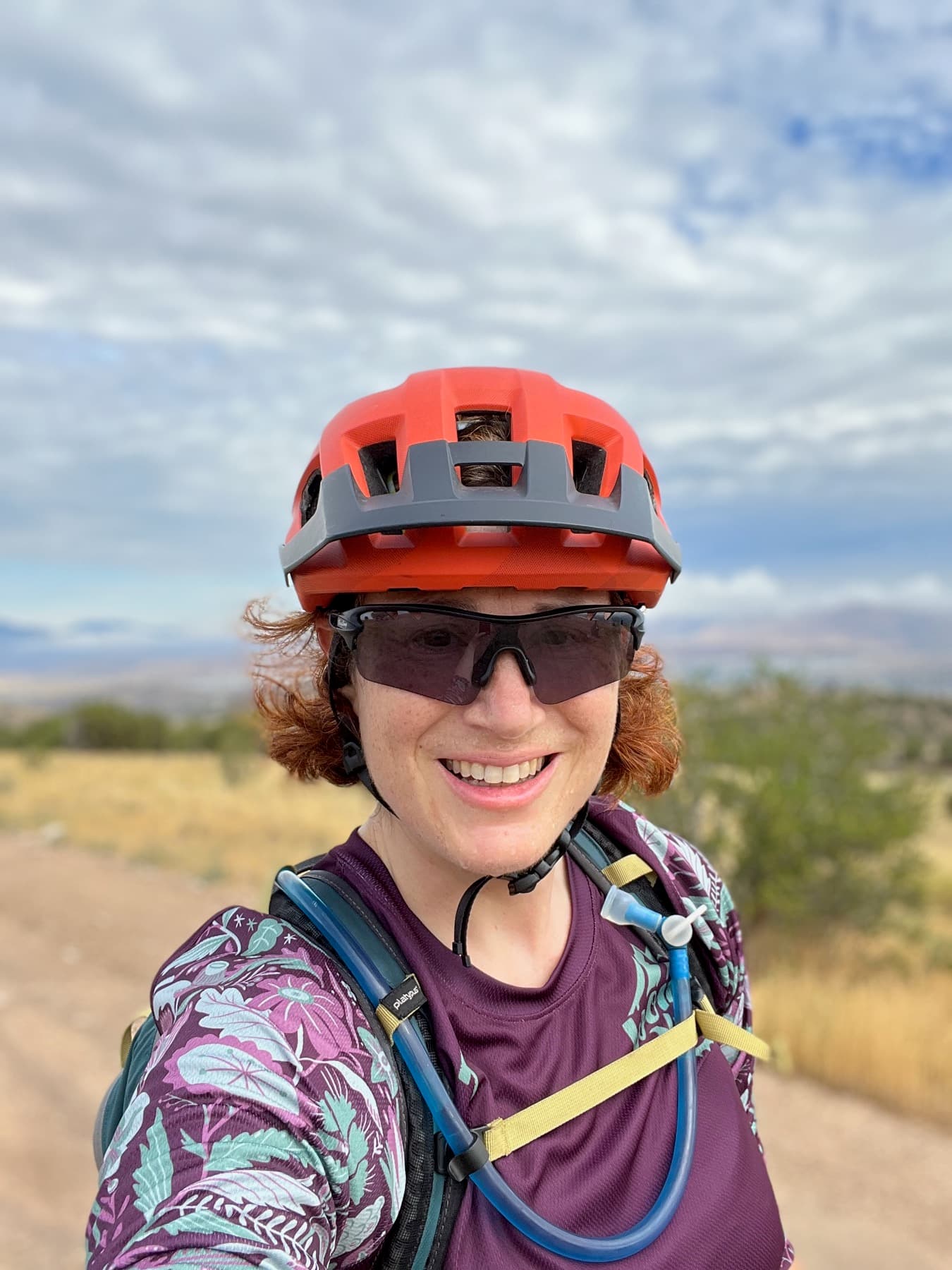
Ann in mountain bike kit, helmet and sunglasses, desert backdrop.

Personalised Plan

Ann: PRs on the back half of rides

46-year-old mountain bike rider

PRs shifted to the back half of rides

Ann is a useful proof point for the durability lens because the headline is not just a fresh power number. The meaningful change was finishing stronger.

Read the breakdown
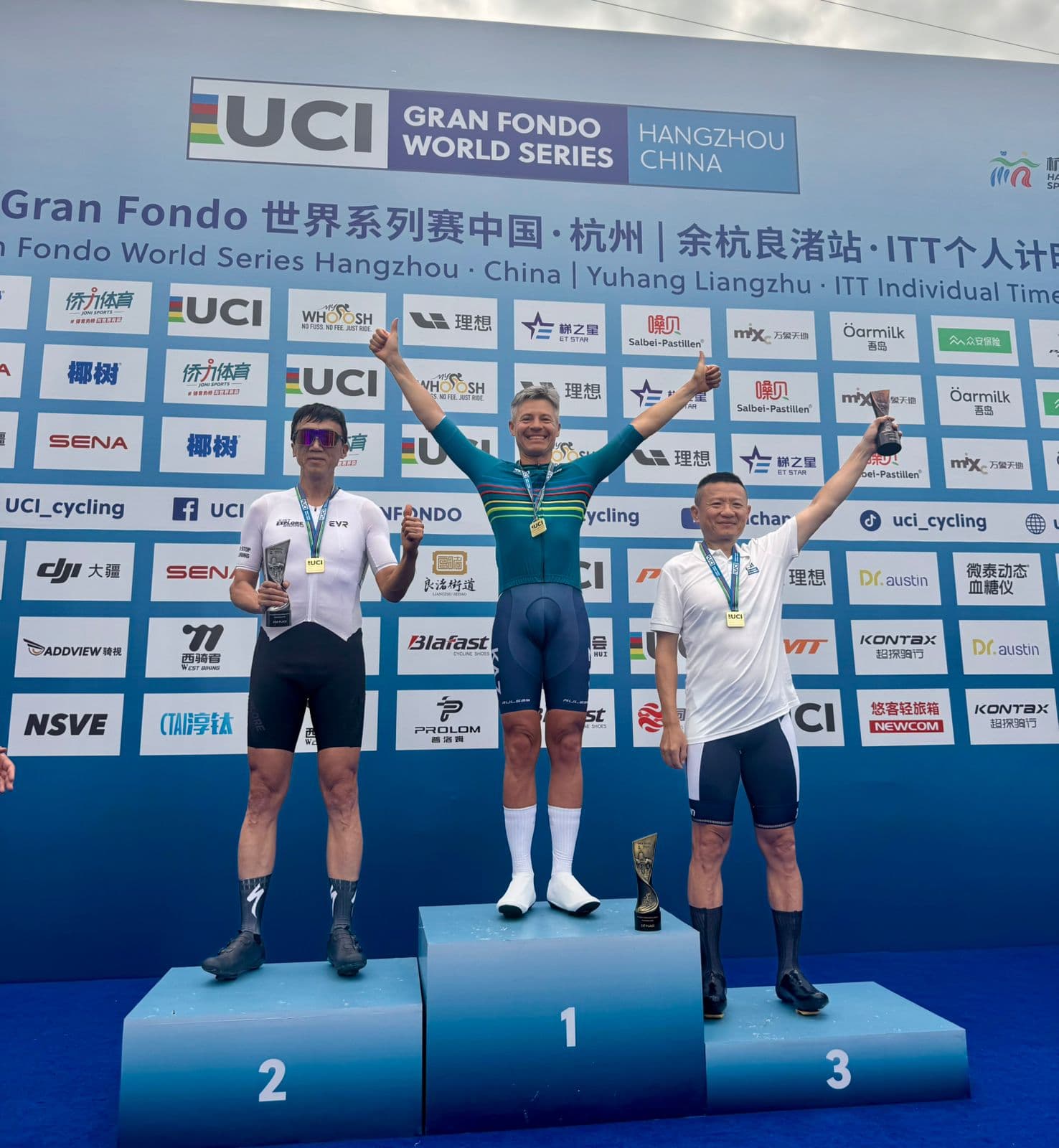
Yaroslav after winning the Hangzhou individual time trial.

PRO Coaching

Yaroslav: Hangzhou ITT win

55-year-old masters racer chasing world-level results

Hangzhou ITT winner, 313W for 20 minutes

Yaroslav is the clearest PRO example: a serious rider, a specific result, and direct coaching pointed at event execution.

Read the breakdown
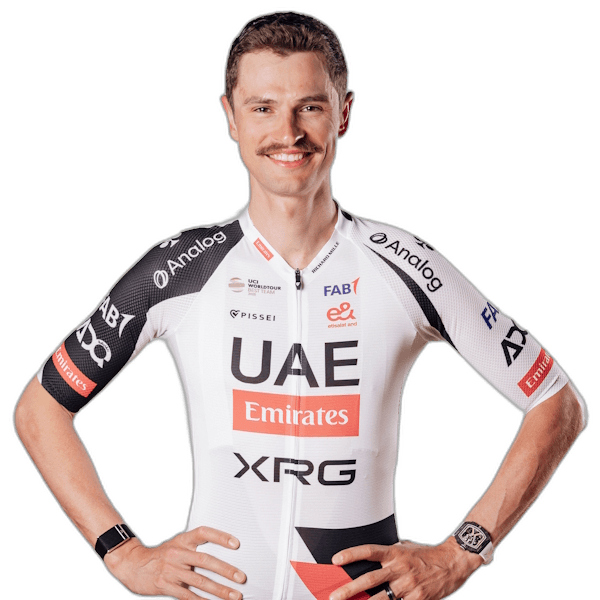
Jay Vine, UAE Team Emirates.

Damian's coaching background

Jay Vine: from early cyclist to WorldTour

WorldTour rider, UAE Team Emirates

Coached by Damian from beginner to pro

Jay's story is not a normal customer outcome. It is useful background on Damian's coaching history and the range of performance problems he has had to solve.

Read the breakdown
Greg, SEMIPRO training library rider.

Team SEMIPRO

Greg: capacity work that held up

69-year-old Zwift Racing League rider

Best feeling after a six-week round

Greg is useful evidence for the training library because it shows a self-directed rider using structured capacity work successfully.

Read the breakdown

How to read this

Read these as context, not guarantees.

Each page keeps the useful detail close to the story: who the rider was, what changed, where the source came from, and where a single example has limits. Some are athlete case studies. Some are methodology or coaching-background references. None are meant to pretend every rider will get the same result.